


The Ron DeSantis administration’s newly signed restrictions on diversity, equity and inclusion programs could require the City of Tallahassee to reevaluate a wide range of policies, contracts, events and economic development initiatives before the law takes effect next year.
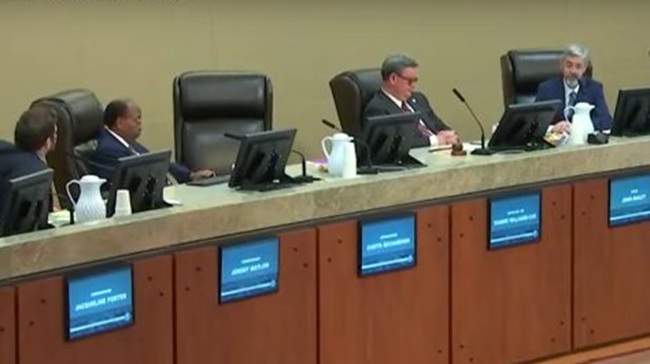
City staff outlined the potential impact of Senate Bill 1134, titled “Official Actions of Local Governments,” in a agenda item prepared for the May 13th city commission meeting. The law, signed April 22, 2026, takes effect Jan. 1, 2027.
The measure broadly prohibits cities and counties from funding, promoting or taking official action related to diversity, equity and inclusion, commonly referred to as DEI. The statute defines DEI efforts as programs or activities tied to race, color, sex, ethnicity, gender identity or sexual orientation, including initiatives intended to influence hiring composition, provide preferential treatment or conduct targeted training and programming.
City staff warned that the law could affect multiple areas of municipal operations. Among the areas identified for further review are human resources policies and employee training programs, city-sponsored events and celebrations, minority and women-owned business enterprise initiatives, community grant programs and ordinances containing DEI-specific language.
The proposed staff recommendation asks commissioners to direct a comprehensive review of all city ordinances, policies, programs, sponsorships, grants and contracts that could be impacted by the legislation.
The law also prohibits local governments from funding or staffing DEI offices or employing DEI officers. In addition, municipal contracts and grants will now require recipients to certify they will not use city funds for DEI-related instruction or materials for employees or agents.
Staff noted that the legislation creates a resident enforcement mechanism allowing citizens to sue municipalities or officials for alleged violations. Potential remedies include injunctions, damages and legal costs. The law further states that local officials who knowingly violate the statute may be deemed guilty of misfeasance or malfeasance in office, which under Florida law could expose them to suspension by the governor.
City officials said several exceptions remain in place, including actions necessary to comply with federal and state anti-discrimination laws and recognition of official holidays and commemorative observances.
During legislative debate, bill sponsor Clay Yarborough said public events open to all residents generally would not violate the law, while programs limited to specific groups could face scrutiny.
City staff said additional legal guidance from the Florida League of Cities is expected later this summer as municipalities across the state prepare for implementation.



Be the first to leave a comment on this article.