

Leon County voters will decide in November whether to amend the county charter to require periodic reviews of community conditions associated with past government policies, following a months-long debate over a proposal initially associated with racial disparities and reparations.
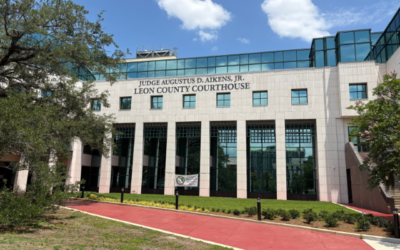
The Leon County Commission voted 5-2 Monday to place the proposed charter amendment on the Nov. 3 general-election ballot.
The measure would establish a recurring “Community Impact Assessment” process requiring public reporting and County Commission review and response regarding adverse community conditions related to historic public policies or governmental practices.
The proposal has changed significantly since it was first considered earlier this year.
An earlier version sought to address persistent disparities associated with historic public policies and included discussion of slavery, segregation and racial discrimination. That proposal failed in February when the Leon County Citizen Charter Review Committee deadlocked 9-9.
County officials also raised legal and financial concerns as state and federal governments moved to restrict diversity, equity and inclusion programs.
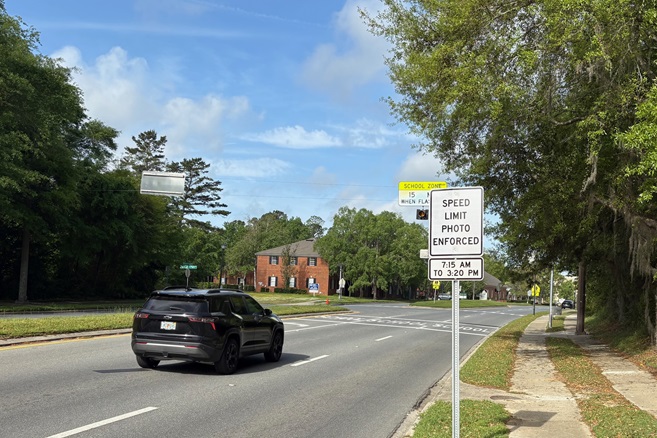
County staff previously warned that an improperly structured program could jeopardize millions of dollars in federal funding, including a $16.8 million federal grant for safety improvements along North Monroe Street.
Florida lawmakers also approved SB 1134, which restricts local governments from funding, promoting or taking official action related to DEI. The law, signed by Gov. Ron DeSantis, takes effect Jan. 1, 2027.
In April, county commissioners directed staff to develop a different approach that would focus on geographic areas rather than race, gender, ethnicity or another protected class and would comply with state and federal law.
The Commission voted 4-2 in May to return the issue to the Charter Review Committee. On May 28, the committee approved the revised proposal 14-3.
Bruce Strouble Jr., a Charter Review Committee member and chairman of Tallahassee ALERT, has been a leading advocate for the amendment. Strouble has argued that the revised proposal is not a reparations program and instead creates a process for determining whether previous government decisions continue to affect particular areas of the county.
The revised amendment contains no protected-class eligibility requirements and does not establish a restoration fund or require the Commission to spend money on particular communities.
Critics, however, continue to question both the need for the amendment and its underlying purpose.
Commissioner Brian Welch, who has opposed the proposal, said Monday that he believes it is “intellectually dishonest” to contend that the effort is not about reparations.
County staff previously noted another concern: the County Commission already possesses broad authority to study community conditions and direct resources toward underserved areas without changing the charter. Staff has also noted that no other Florida county charter contains similar language addressing harmful historic public policies.
Commissioner Carolyn Cummings expressed reservations about placing what could be considered a policy matter in the county’s governing document but said Monday that allowing citizens to participate in the process and supporting local control outweighed those concerns.
The final decision will now rest with Leon County voters in November.


Be the first to leave a comment on this article.