

A federal grant program intended to protect children and families from the dangers of lead-based paint has become the focus of growing controversy in Tallahassee after the U.S. Department of Housing and Urban Development (HUD) determined the city failed to meet key federal requirements tied to the program.
The controversy centers on a $4.4 million HUD Lead Hazard Reduction grant awarded to the City of Tallahassee to identify and remove lead-based paint hazards in older housing occupied by low-income residents. In early May, HUD designated the city’s grant program as “high risk” and launched an audit after raising concerns about contractor costs, project eligibility and compliance with federal regulations.
According to city records and correspondence with federal officials, approximately $1.6 million has been spent through the program, with HUD having reimbursed the city about $1.03 million. Federal officials questioned several expenditures, including the cost of replacing doors at an apartment complex on Holton Street, where some door replacements reportedly exceeded $8,000 each.
The situation escalated on May 26 when HUD informed the city that costs associated with the Holton Street project were ineligible for reimbursement under the grant. Federal reviewers also concluded the city failed to provide sufficient documentation verifying tenant income eligibility, occupancy requirements and whether the project prioritized households with children under six years old — a central goal of the lead hazard reduction program.
As a result, HUD is requiring Tallahassee to repay at least $1.03 million in federal funds and warned that additional ineligible costs could be identified as the review continues. The city has suspended grant activities while working with federal officials to address the findings.
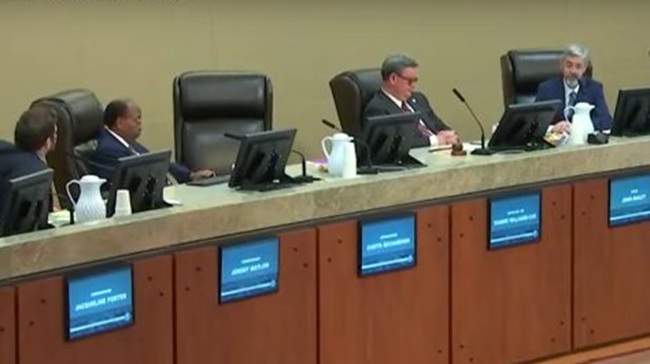
However, city officials are disputing HUD’s conclusions and have indicated they intend to appeal the repayment determination. Assistant City Manager Christian Doolin told city commissioners that staff believes documentation previously submitted to HUD adequately demonstrates compliance with program requirements. City officials contend the issue is not whether the work was performed, but whether the documentation provided satisfies federal standards. The city maintains that it can address HUD’s concerns through the appeals process and hopes to overturn the repayment demand.
The controversy has also triggered political fallout at City Hall. Commissioners have debated responsibility for the program’s management, while calls have emerged for a forensic audit and further investigation into the handling of federal housing funds. Allegations from a former employee and public disputes among elected officials have added to the scrutiny.
Federal officials have not alleged criminal wrongdoing, but the audit continues. The outcome could determine whether Tallahassee must return additional grant funds and what corrective actions may be required before the city can resume the lead hazard reduction program. The appeal process is expected to focus heavily on whether the city can provide sufficient evidence that grant-funded projects met HUD’s eligibility and documentation requirements.



Be the first to leave a comment on this article.